
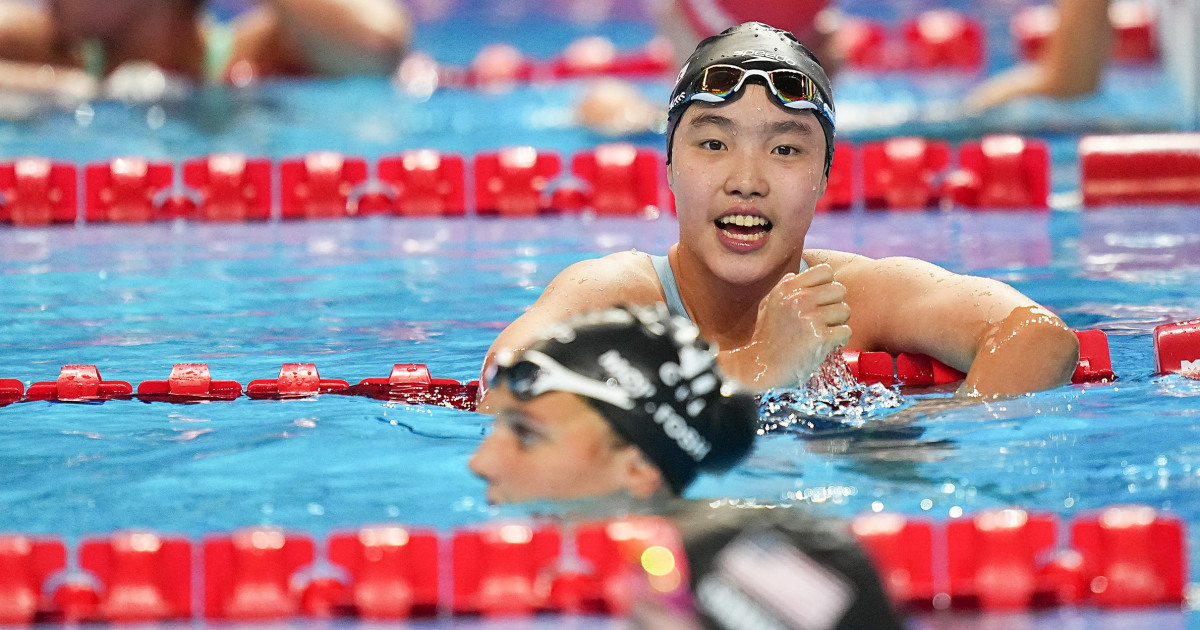
A 12-year-old Chinese swimmer has recently earned worldwide attention after achieving historic times in international competitions. Lauded as a future "youth athlete of the year," her rise parallels the global fascination that surrounded stars from other sports such as baseball prospects Adley Rutschman or gymnastics icons, where young athletes have drawn both praise and pressure. Yet, while the world celebrates this prodigy's remarkable talent, voices in China urge a more measured approach, echoing concerns heard across the sports world regarding early stardom.
Table of Contents
- The Rise of China's Youngest Swimming Phenom
- International Recognition and Sporting Comparisons
- Calls for Caution From Home
- Lessons From Other Sports Prodigies
- Conclusion and Real-World Examples
The Rise of China's Youngest Swimming Phenom
At just 12 years old, China's new swimming star has shattered age-group records, earning comparison to the fastest athletes in her category. Dubbed a possible "athlete of the year," this sensation has quickly risen from local meets to the world stage. Her performance reminds fans of prodigious talents in other sports, akin to baseball standout Adley Rutschman or soccer prodigies like Andrej Acimovic, who made headlines internationally at a young age.
International Recognition and Sporting Comparisons
News outlets and sports authorities—such as International Olympic Committee—have spotlighted her achievements, hailing her as a possible future Olympic champion. The buzz surrounding her echoes the media waves created by young athletes such as Arike Ogunbowale in basketball or gymnasts competing at elite levels before their teens. This global phenomenon highlights a pattern seen in coverage of tournaments like Copa America or youth events at the US Open, placing extraordinary pressure on young talents.
Calls for Caution From Home
Despite international enthusiasm, Chinese sports commentators and fans have sounded a note of caution. The history of early athletic glory can be demanding, both mentally and physically. Past cases—such as the challenges faced by Ryne Sandberg in baseball, or Karrueche Tran in the entertainment and sports crossovers—highlight the complex pathway from prodigy to professional. Observers stress the importance of holistic development, warning against overwhelming the swimmer with unrealistic expectations or relentless media scrutiny.
Lessons From Other Sports Prodigies
The trajectories of past young sports celebrities offer key lessons:
- Andrew McCutchen excelled after gradual progression and support.
- Tennis star Emma Raducanu found success but has also faced injury setbacks and media pressure.
- Gymnasts competing at the highest level, such as in the Olympics, have at times struggled to transition to adulthood, illustrating the need for measured expectations.
The message is clear: athletic potential and long-term well-being thrive best in supportive, balanced environments, not under excessive hype.
Conclusion and Real-World Examples
China's 12-year-old swimming sensation represents both inspiring talent and a test of how the sports world treats youthful athletic success. The international praise is well deserved, echoing the paths of sports icons such as AJ Brown or football stars covered in NFL Top 100 lists. However, the cautious approach urged by Chinese fans points to the wisdom of prioritizing these athletes' lifelong achievements and mental health.
In summary, the emergence of this new youth athlete of the year should inspire celebration and, equally, a careful, balanced nurturing approach. Supporting young talents—be it in swimming, tennis (Eugenie Bouchard), or baseball (Mitch Keller)—calls for wisdom from sporting authorities, fans, and media alike.



0 Commentaires