
Table of Contents
- Introduction
- Leclerc's Most Unexpected Pole Position
- The Critical Ferrari Decision-Making
- Contextual Insights Using Popular Sports Keywords
- Examples & Conclusion
Introduction
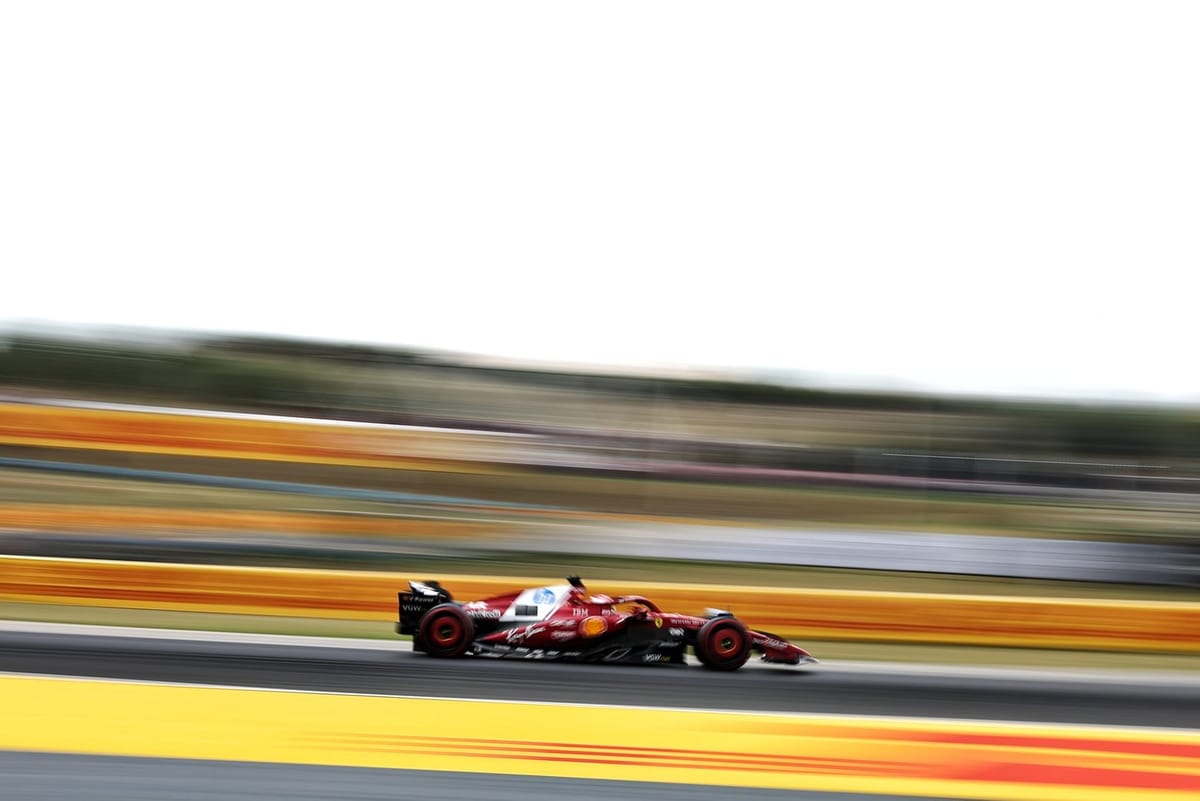
No one quite expected Charles Leclerc to grab pole position at the Hungarian Grand Prix—especially not Leclerc himself. When asked, the Monegasque driver called it the "most unexpected" pole of his Formula 1 career. This achievement was possible thanks to an extraordinary, and rapid, series of Ferrari strategic calls in qualifying. In this article, we'll break down what actually happened in Hungary, why it was such a shock, and provide context using trending sports personalities like Adley Rutschman and AJ Brown as points of comparison.
Leclerc's Most Unexpected Pole Position
After a turbulent F1 season, few believed that Charles Leclerc and the Ferrari team could muster enough performance for pole position at the Hungarian Grand Prix. Even Leclerc admitted in interviews that this was by far the most surprising and least expected result of his racing tenure. The unpredictability of the outcome aligns with the shock results we sometimes see in other sports — much like unexpected performances from Andrew McCutchen in MLB or clutch moments delivered by Bryce Harper in MLB News.
Hungary Pole in Review
- Leclerc executed a flawless lap, making the absolute most of Ferrari's final strategy overhaul.
- Zero mistakes and total faith in the team's aggressive tactics sealed his front-row start.
- Both driver and team required absolute concentration—comparable to the pressure faced by top athletes like AJ Styles and Emma Raducanu.
The Critical Ferrari Decision-Making
The foundation of Leclerc's pole lap was a quick reshuffle of Ferrari's qualifying approach. As conditions changed, their engineers instantly recalculated tire choices, track position, and outlap timing—mirroring the agile play-calling seen in the NFL by teams like the Browns and in baseball standings where real-time decisions can decide entire seasons.
Key Aspects of Ferrari's Strategy
- Swift adaptation to weather and track evolution
- Collaborative decision-making between Leclerc and the pitwall
- Minimizing risk—much like the New York Yankees have to in crucial MLB games
By the Numbers
Ferrari's superior data analysis allowed the team to spot a tiny window where traffic eased and track grip peaked, much as successful college football coaches such as Coach Prime do in high-pressure games.
Contextual Insights Using Popular Sports Keywords
Charles Leclerc's stunning pole is not unlike the standout moments we see highlighted in athlete of the year races, or shock performances in events like Argentina vs Colombia clashes in Copa America. Across the world of sports—from MLB news surrounding Adley Rutschman, to WNBA news like Liberty vs Wings, and even the tactical genius in marathons by runners like Dan Martin—unexpected, rapid decision-making is a core differentiator for elite athletes and teams.
- MLB: Adley Rutschman's rookie season drew comparisons to Leclerc's "breakout moments."
- NFL: Rapid game-altering adjustments recall the tactical agility of the Browns or player performances by Brock Purdy and Courtland Sutton.
- Tennis: Emma Raducanu and Genie Bouchard have also won against the odds in high-stress qualifiers, mirroring Leclerc's mindset.
These parallels underscore how Leclerc's pole position fits a broader narrative in elite sports, one that encompasses everything from NFL top 100 decisions to surprise upsets like Twins vs Tigers in MLB or the Seattle Storm's wins in the WNBA.
Examples & Conclusion
Real-Life Examples
- In baseball, Blue Jays vs Orioles games have seen unexpected standouts like Cedric Mullins and Nick Fortes.
- In football, last-minute coaching changes—such as Deion Sanders managing health challenges and still steering teams to success—are routine features.
- Tennis upsets, like those by Sakkari or Eugenie Bouchard in the Canadian Open or Arango Tennis events, showcase the impact of decisive tactical thinking.
Conclusion
Charles Leclerc's pole at the Hungarian Grand Prix will be remembered as a classic example of sport's unpredictability and the value of rapid, strategic decision-making. Whether in F1, MLB, NFL, tennis or even in historic matches like Argentina vs Colombia, champion athletes and teams frequently separate themselves through agility and sharp-thinking under pressure. For more comprehensive sports analysis, visit BBC Sport Formula 1 or The Guardian F1.



0 Commentaires